Flock Up Mac OS
Camino– Is a free, open source web browser which means”path” in Spanish. It is based on Mozilla’s Gecko layout engine and was created to work well with the Mac OS. It integrates a number of Mac OS X services and features such as the Keychain for password management and Bonjour for scanning available bookmarks across the local network.
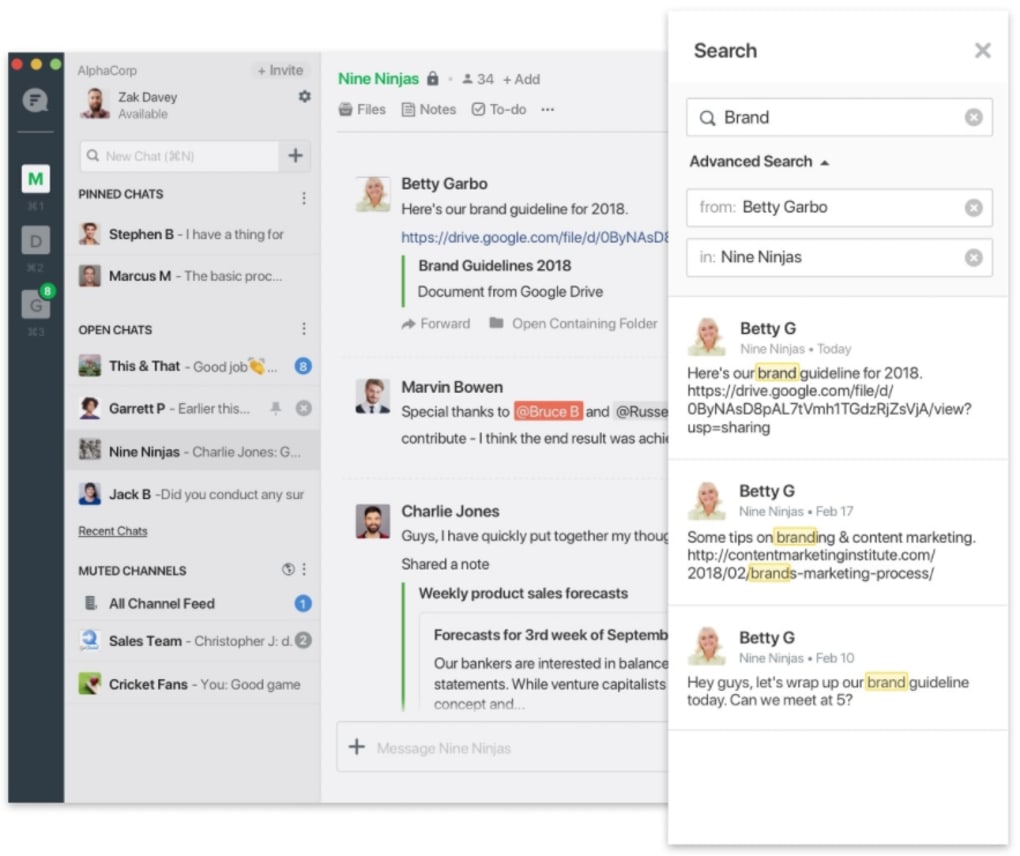
I don't believe that the flock command exists on OS X, but it does exist on BSD which should make it reasonably easy to port to OS X. The closest that is available is the shlock command (man page), but it isn't as robust or secure as flock. Your best bet may be to look at porting either the Linux or BSD version of flock to OS X. Internet Explorer for Mac OS X (also referred to as Internet Explorer for Macintosh, Internet Explorer Macintosh Edition, Internet Explorer:mac or IE:mac) is a discontinued proprietary web browser developed by Microsoft for the Macintosh platform to browse web pages. Initial versions were developed from the same code base as Internet Explorer for Windows. Create an outgoing webhook. Navigate to the Flock Developer Dashboard at Sign in with your Flock account and click Webhooks on the left. Choose to Add an Outgoing Webhook. Set the Channel where the webhook should look for messages to send to an external service. Give the webhook a name and an icon that will be used to post replies in Flock.
Over time, your Mac probably accumulates a lot of cruft. Old applications you no longer use, data you have no use for, a desktop full of icons (only four of which you actually ever use)…you know what I mean. With so many people working from home lately, the problem has only gotten worse.
Now is as good a time as any to tidy up your Mac, freeing up storage space and probably CPU cycles and RAM in the process. Here are a few tips to make quick work of your Mac “spring cleaning.”
Optimize Storage
Open the Storage Management app, either by using Spotlight (Command-space) or by clicking the Apple logo in the upper left of the menu bar, choosing About This Mac, clicking the Storage tab, then Manage.
In the Recommendations tab you’ll see a number of useful options, like Store in iCloud and Empty Trash Automatically. The Optimize Storage solution will get rid of things like old TV shows you’ve already watched and old email attachments when you’re low on storage space.
Take a look at your Applications and Documents
While you’re in the Storage Management app, click on the Applications tab in the left column. You can see all your installed applications here and sort them by size, easily deleting apps you haven’t used in ages.
Then, click on Documents in the left tab. There are several sections here, like Large Files and Unsupported Apps, that are worth perusing. Big library files (for apps like Lightroom or Final Cut Pro) are likely to show up here, and you might not want to mess with them. But you may have old large files and documents, or apps that no longer even work on your version of macOS, that you can safely remove.
Get your desktop under control
If your desktop is littered with icons, you should probably tidy things up a bit. Right-click (two-finger tap on a trackpad) any open space and choose Clean Up to get things arranged neatly, or Clean Up By to sort them as well. Consider the Use Stacks feature to automatically stack-up files of the same type into a single icon. Just click on that icon to open the stack. This can really tidy up your desktop!
Try DaisyDisk
Power users that really want to clean out their Mac’s storage may want to check out a third party app like DaisyDisk ($9.99). It’s a simple and clear way to see everything on your Mac, or any other attached storage device or drive. It can do things like dig into the mysterious “Other” category and help you clear out what you don’t need.
It may seem unnecessary to pay money for an app that just helps you delete stuff from your Mac’s storage, but there’s a lot of value in disk analyzers like this. It can really be eye-opening to see exactly what’s filling up your Mac’s SSD.
You can use Flock's webhooks to send and receive messages from external services using JSON packets. An outgoing webhook sends messages from a Flock channel to an external service.
Before you create an outgoing webhook, you'll need to set up a Callback URL - an HTTP/HTTPS endpoint on your server that accepts JSON payloads.
Callback URL
The messages are posted to your endpoint with the HTTP headers Content-Type: application/json;and Accept-Encoding: gzip, deflate. The JSON payload is in the body. If you need help setting up your callback URL,contact developer support.
Create an outgoing webhook
- Navigate to the Flock Developer Dashboard at https://dev.flock.com.
- Sign in with your Flock account and click Webhooks on the left.
- Choose to Add an Outgoing Webhook.
- Set the Channel where the webhook should look for messages to send to an external service.
- Give the webhook a name and an icon that will be used to post replies in Flock.
- Enter the Callback URL that Flock should send your messages to.
- Click on Save Settings. The outgoing webhook will post JSON packets to the Callback URL in the following format
Flock Up Mac Os 11
- A ?token=<webhook-token> is appended to the callback URL while making the call so you can verify that the request came from Flock. For more info, see Flock API Documentation.